 Aligned for infinite creation
The transaction layer for the AI content economy
Yodal measures the likely contribution of individual works to an AI output at the moment it is generated. We then facilitate an agreement between rightsholders and AI developers. We are neutral by construction: no models, no content, no position on either side.
Boulder, Colorado · Delaware C-corp
To build a friction-free infrastructure aligning generative AI and creators.
Yodal is writing the next chapter of the AI/human partnership. We believe the most powerful future is one that can properly value the unique human ingenuity that fuels AI. We're building the infrastructure to ensure that in this new era, human creators and generative AI work together to make the world more creative.
The world can't figure out the right way to pay human creators for their role in generative AI.
Creators need payment.
- Can't see when their work contributes to an AI output.
- Can't price individual or partial usage.
- Scale prevents payment and effective litigation.
AI developers need creative data.
- Can't price liability exposure per output.
- Private training data is at risk in any audit.
- Negative sentiment leads to regulation.
Both sides are our customers. The question is how to bring them together.
Four responses exist. None clear the gap.
Each solves a piece of it. None prices contribution at the moment of generation.
Bilateral deals
Lump sums, unlinked to use.
Linked referral
Prices the door, not the use.
Post-hoc detection
Resemblance, not measured contribution.
Inference access
The developer still holds the data.
Generation-moment attribution, run by a neutral party.
Our architecture is designed to find the likely contributors to an AI output and turn that measurement into a licensed, paid, auditable transaction. It is designed to complete the transaction without asking the AI developer, nor the rightsholder, to share data.
Generation-moment
Measured during generation, not inferred from resemblance afterwards.
Neutral
No models. No content. No consumer product.
Federated
Publishers' data stays private. Developers' data stays private.
No training disclosure
The requirement that killed every audit approach.
One generated image. 1.28 million candidates. Real-time attribution.
See an example of how Yodal traces a generated ostrich back to its likely candidate source.
Walk through an attribution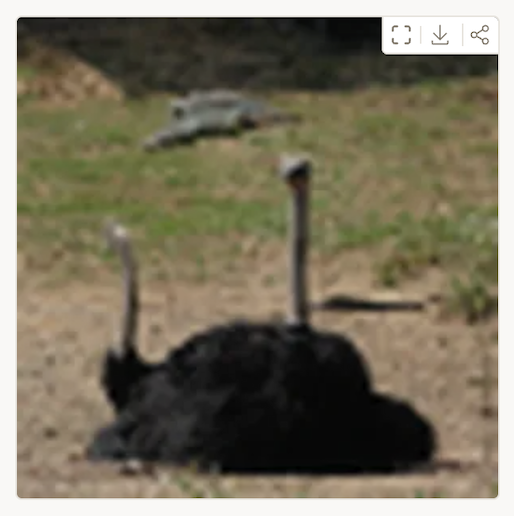 Generated
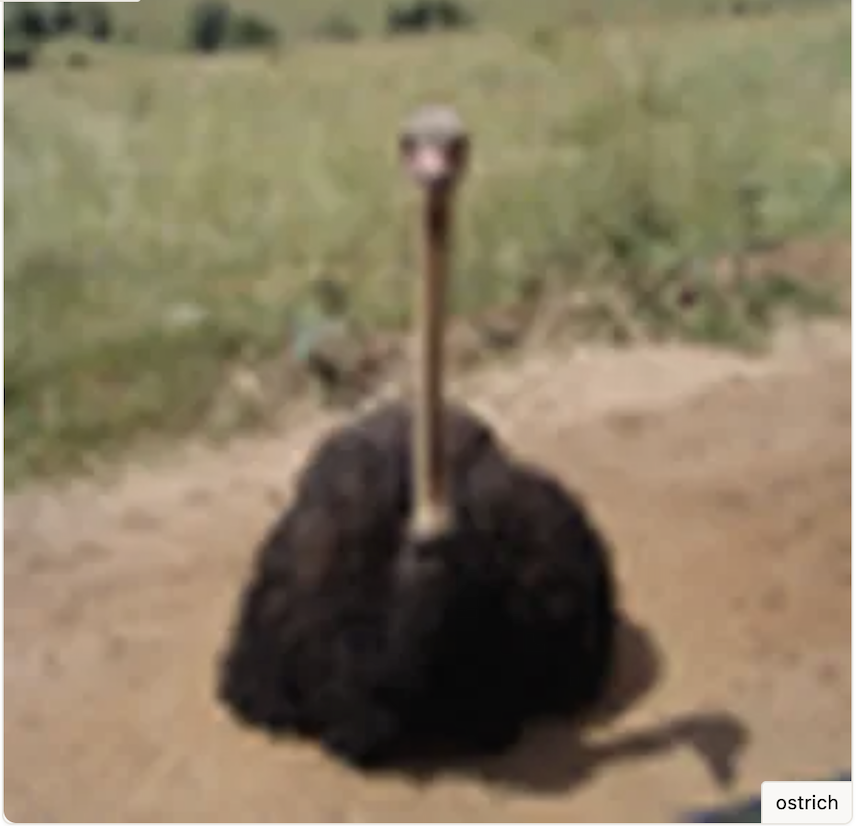 Likely source
Why now?
Two forces are converging on the same architecture.
- JUL 2026
- Bartz v. Anthropic settles.
- 2025
- Thomson Reuters v. Ross rejected fair use.
- 2025
- Kadrey v. Meta turned largely on absent market-harm proof.
- TODAY
- More than 100 U.S. cases in litigation.
- AUG 2025
- EU AI Act training-content summaries in force.
- 2026
- California's AI disclosure law takes effect.
- PENDING
- CLEAR, TRAIN and NO FAKES pending federally.
- DIRECTION
- Regulation is moving toward per-use accounting.
Where do you sit?
See where your catalog shows up.
Register works, watch measured-contribution events land, and set your own terms. Yodal never prices your license.
The publisher perspective → AI teamsLicense without opening your training set.
Turn unpriced exposure into a per-output cost you can forecast.
The AI team perspective →Team
Attribution science, copyright doctrine, and production systems.

McKell Carter
Founder & CEOA research career on neural representations in biological and artificial systems — PhD at Caltech, postdoctoral neuroeconomics at Duke, social cognition and neural representations research at CU Boulder. Author of a forthcoming law-review-style article on generation-time AI copyright licensing.
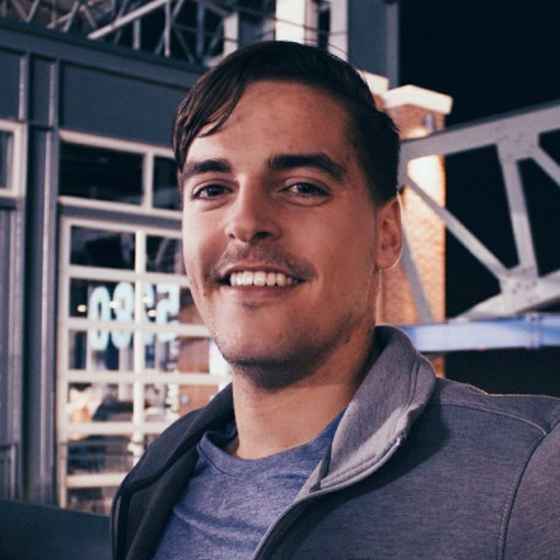
Justin Visher
Founding Software EngineerNine years of software engineering, from data pipelines to UIs and everything in between: real-time systems, large-scale analytics, cloud infrastructure, and financial processes that can't afford to be wrong. One process regardless of domain: read, plan, build. BS in Computer Science, CU Boulder.
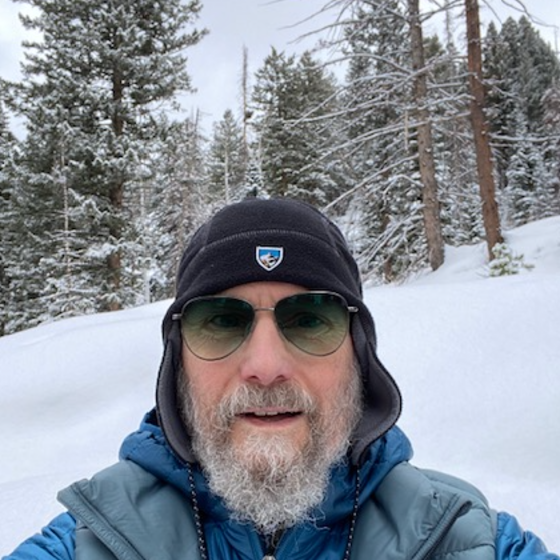
J. H. Pate Skene, JD, PhD
AdvisorThirty years in molecular genomics and cognitive neuroscience — faculty in Neurobiology at Stanford and Duke — followed by fifteen years in regulatory design and the litigation of scientific evidence (JD, Duke Law). AAAS Science & Technology Policy Fellow at the Federal Judicial Center; six years at NIST's OSAC forensic standards program, including chair of the Human Factors Task Group. Currently a member of the ABA/AAAS National Conference of Lawyers and Scientists.
Stay connected
Be the first to know as we build the future of human-AI partnership.
We respect your inbox. Updates only when it matters.
Join us
We're an early-stage team looking for builders who believe the best version of the future is one we create together. At Yodal, AI isn't a replacement for human talent — it's its most powerful partner.
Get in touch →